The first sunrise, every year draws thousands of people to the east coast of Korea. People will weather the harsh winter cold and the icy wind, and gather along the beaches of the East Coast to make their wishes as the sun rises on their lives for the first time in the New Year. Gangneung is one of the many towns along the east coast attracting people to this once a year event. Just for that one sunrise, Gangneung becomes attractive in the winter.
With the sea to its east and ski resorts to its west, Gangneung lies between the East Sea and Pyeongchang. The sea and the beautiful beaches of Gangneung draws many to them. The same sea and these same beaches become unattractive in the winter. On the other hand, the mountains engulfed in snow draws many to its neighbour, Pyeongchang for the winter. As for me, I am not one of the many. I was drawn to the Gangneung of wind warnings, real feels of -13C and untouchable seas.
After a five-hour bus journey from Gwangju, Jeollanam-do to Gangneung, I was weary. I caught a bus from the Gangneung Bus Terminal and headed to the motel near the Gyeongpo Beach, then embarked on a short walk to the motel. That was when I felt it, the weariness of my travels suddenly vanished. Maybe it was the effect of the icy cold wind, I cannot quite put my finger on it. But, what I did observe within my first hour in Gangneung was its tranquility. It was the kind of calm that was also charming. ‘Charming and calming’ was how I described it to a friend back home in Sri Lanka.
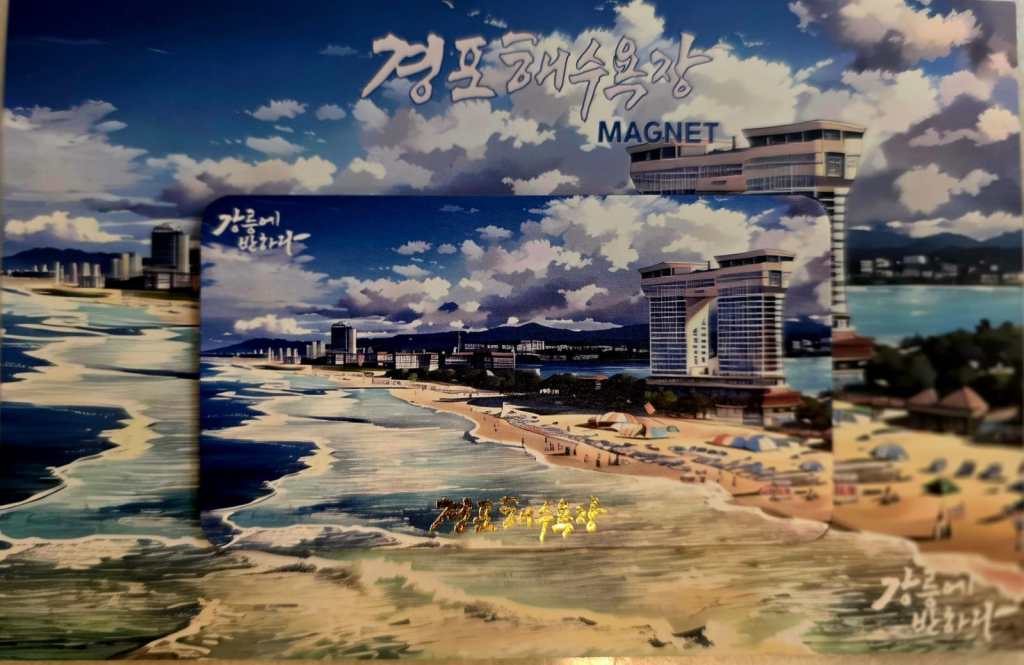
On my last day in Gangneung, I bought a fridge magnet to remember my trip to Gangneung. More precisely, it is a picture of what Gangneung is like in-season: when the city’s main attraction i.e. the beaches are filled with people, when restaurants are crowded, and a constant reminder of what my trip wasn’t like.
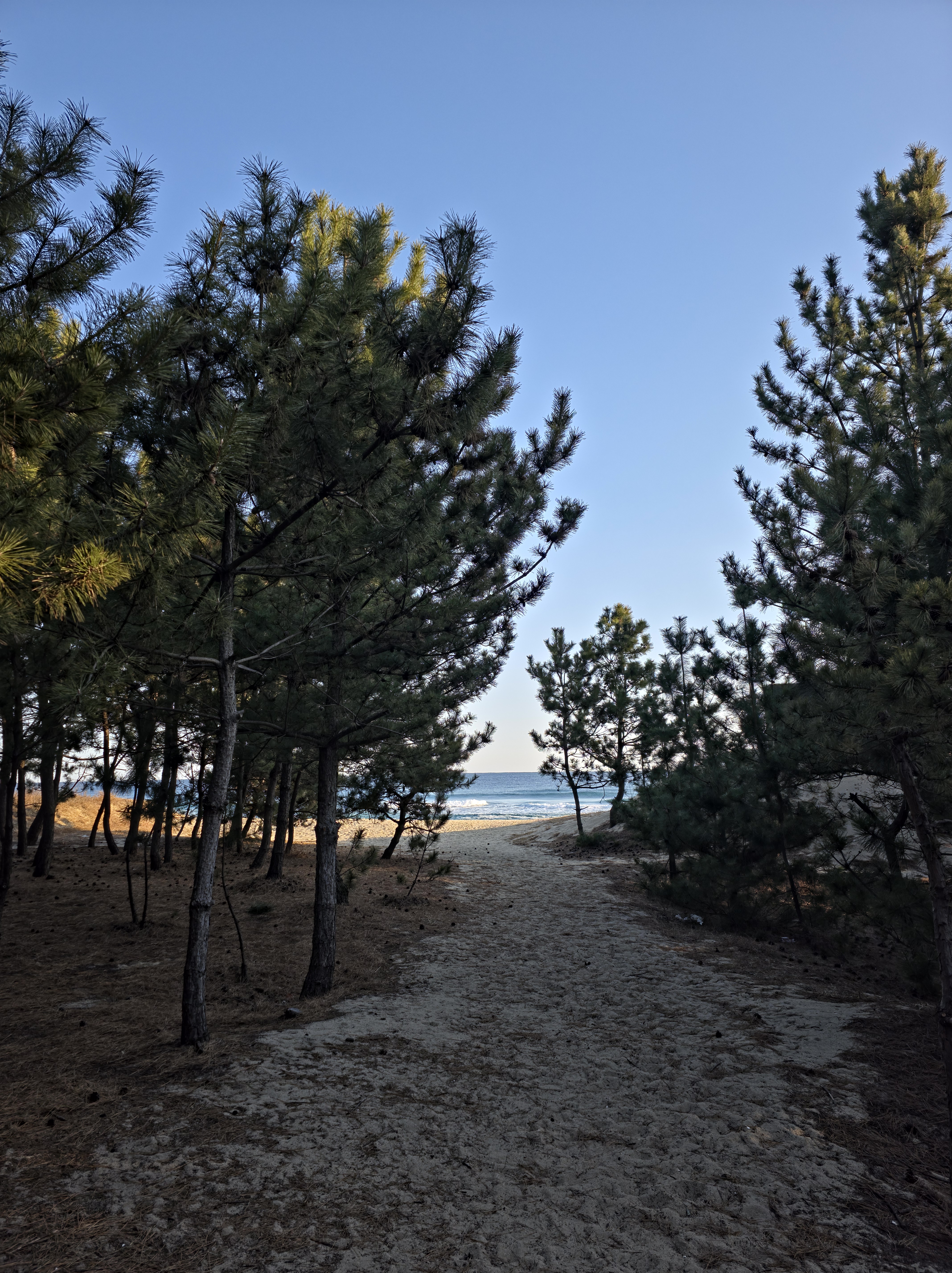
On my first evening in Gangneung, I had the beach all to myself. No other human being as far as my eyes could see. The only sounds were that of the wind and the crashing waves. Of course as I was on the east coast, I couldn’t view the sunset over the horizon. When the Sun didn’t set on it, the east coast was laid bare. The utterly cold temperatures made certain that people stayed away.
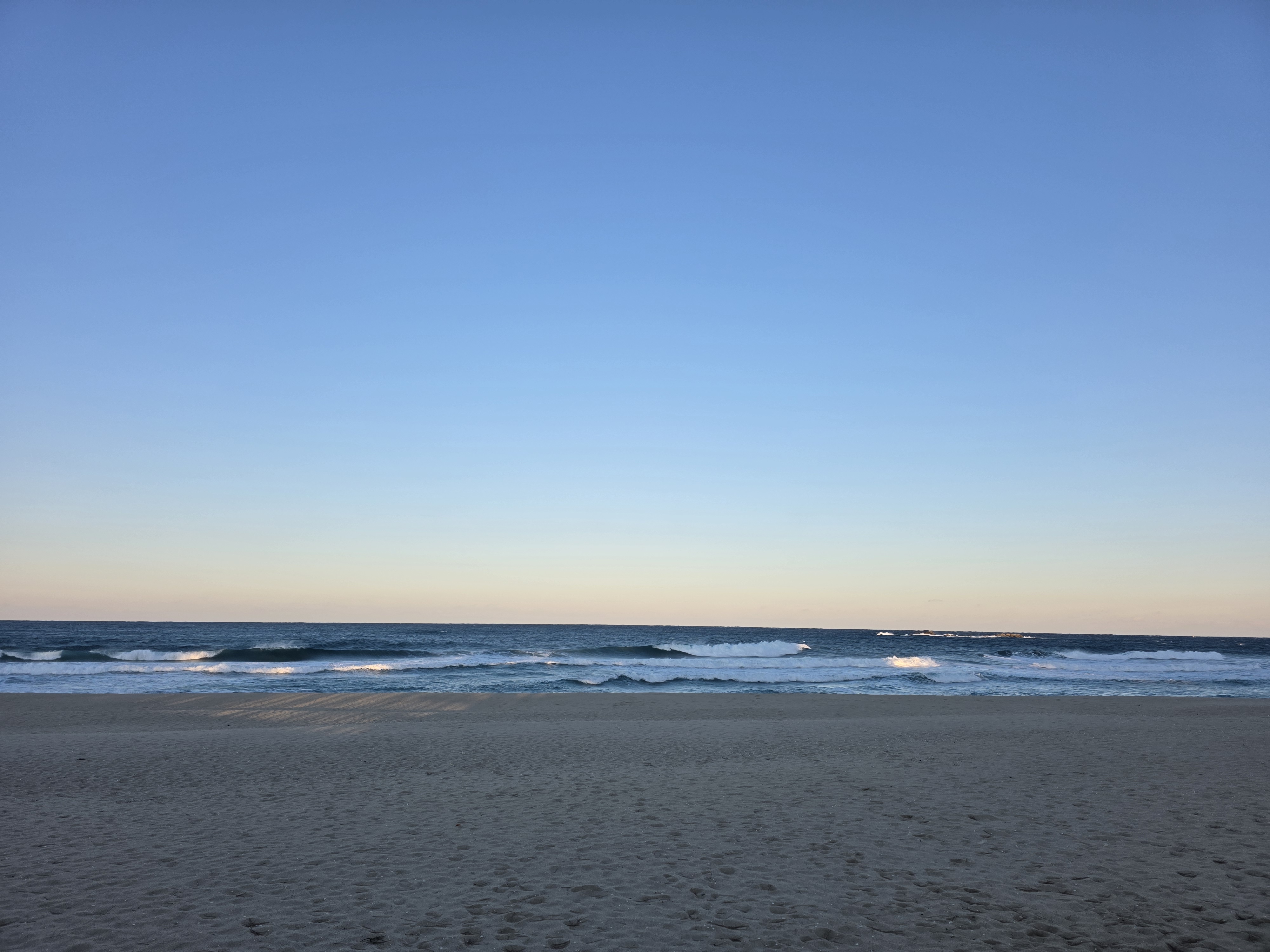
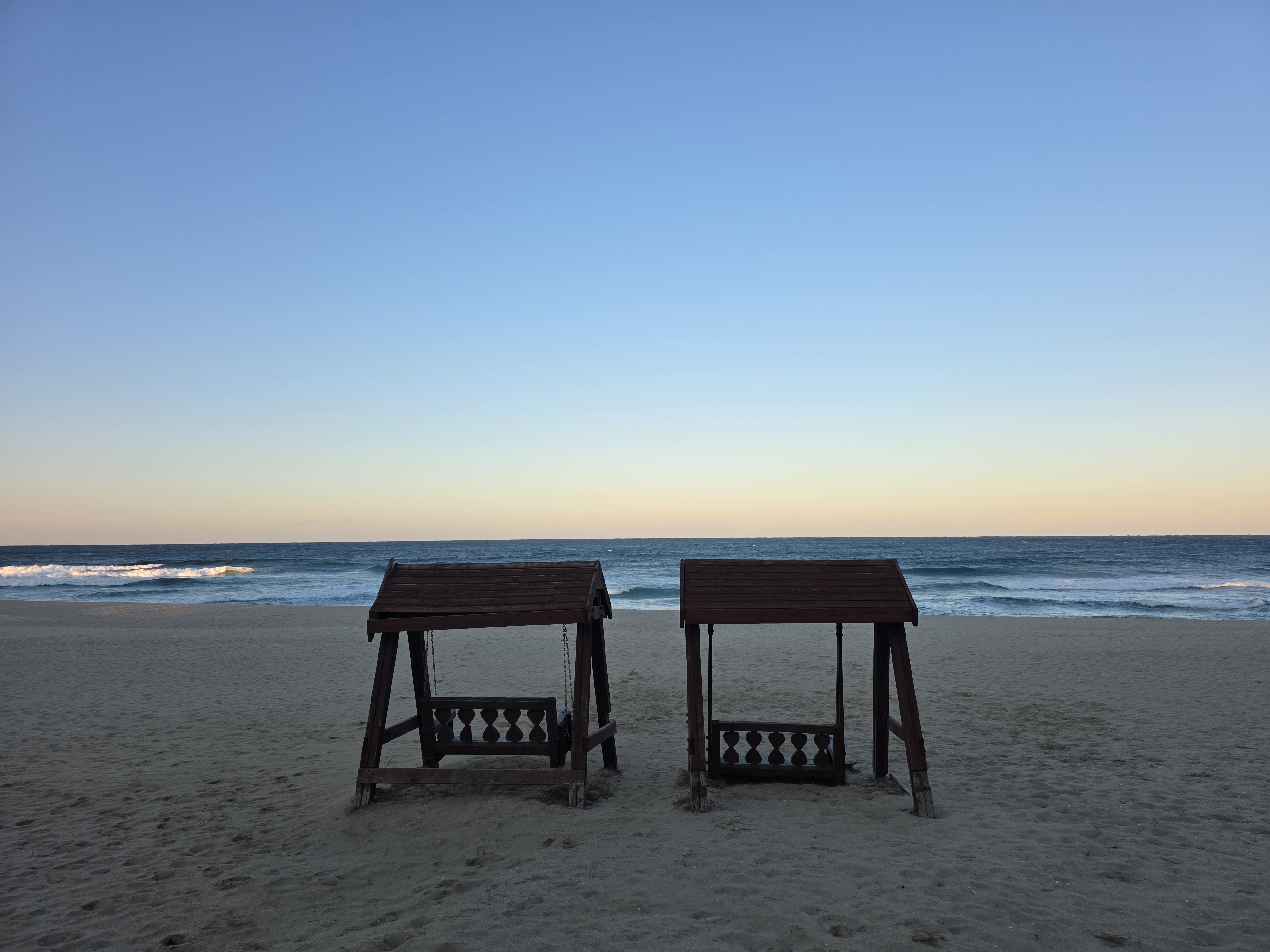
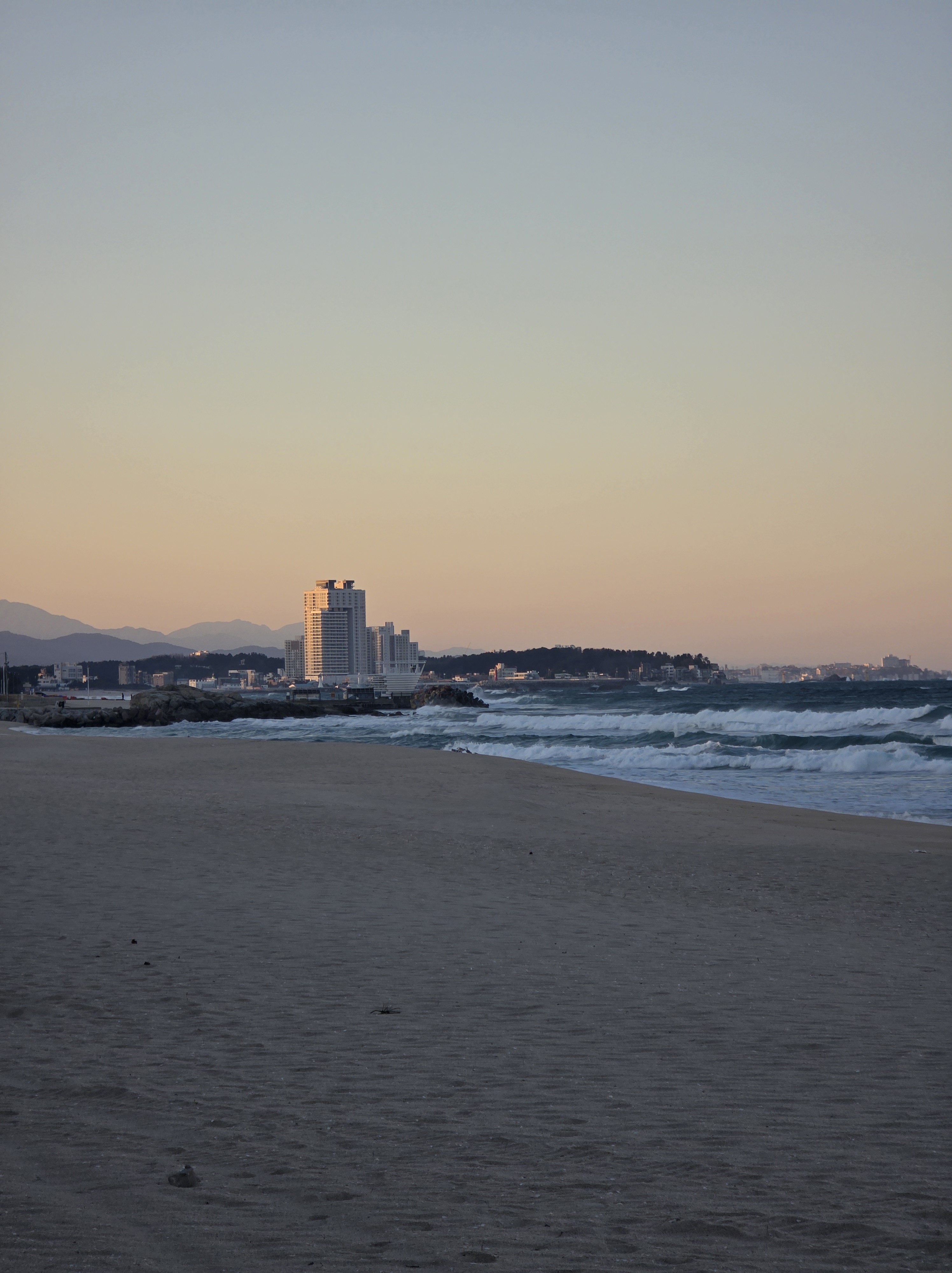
In slight contrast the beach wasn’t so empty in the mornings. The sunrise over the horizon attracted some people despite the extreme cold. Yet, not so much. The sunrise was beautiful, the cold didn’t diminish its charm. But that beauty wasn’t enough to attract many people. It couldn’t compete with the harshness of the weather. Yet, it rose every day without fail.
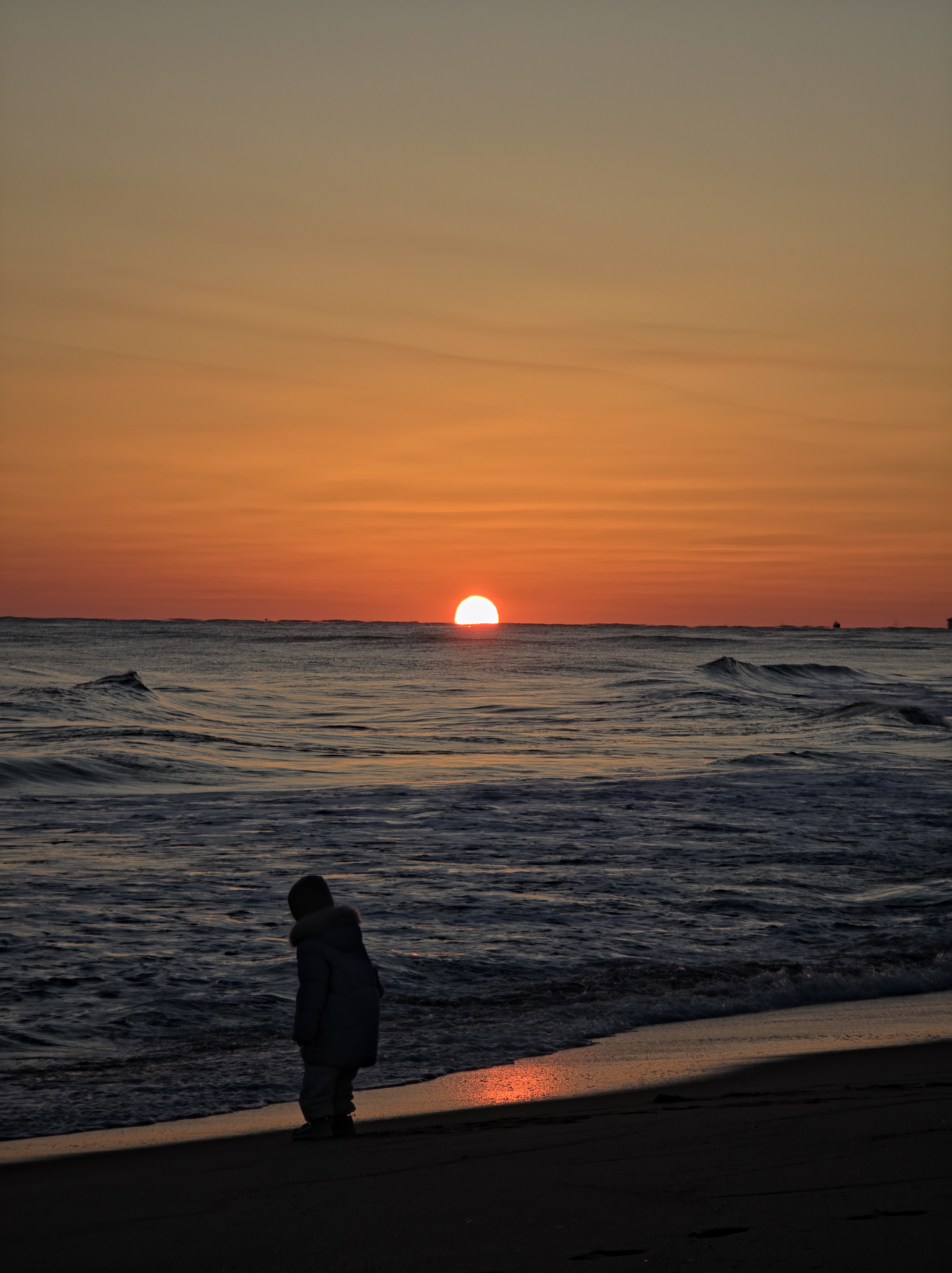
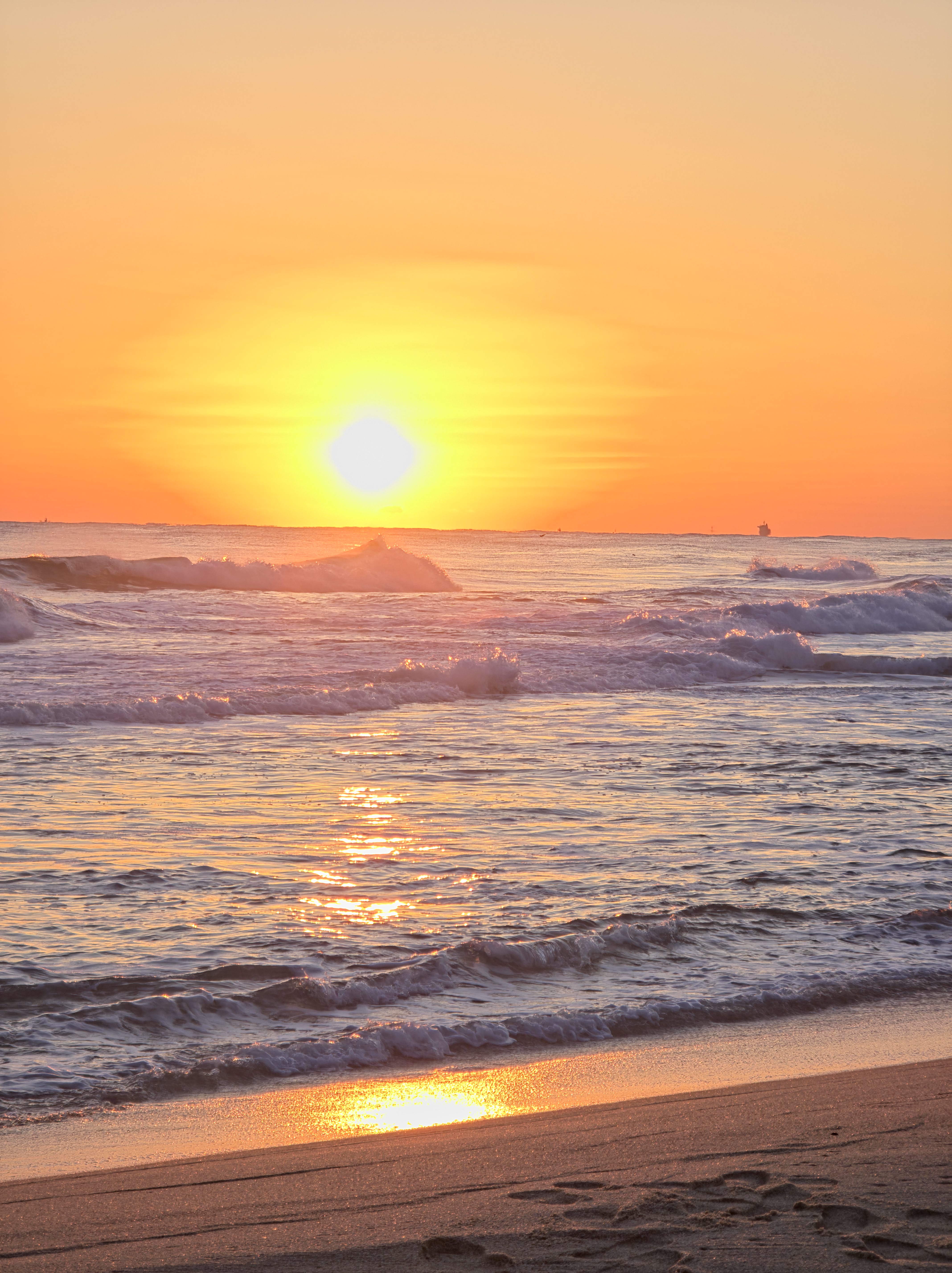
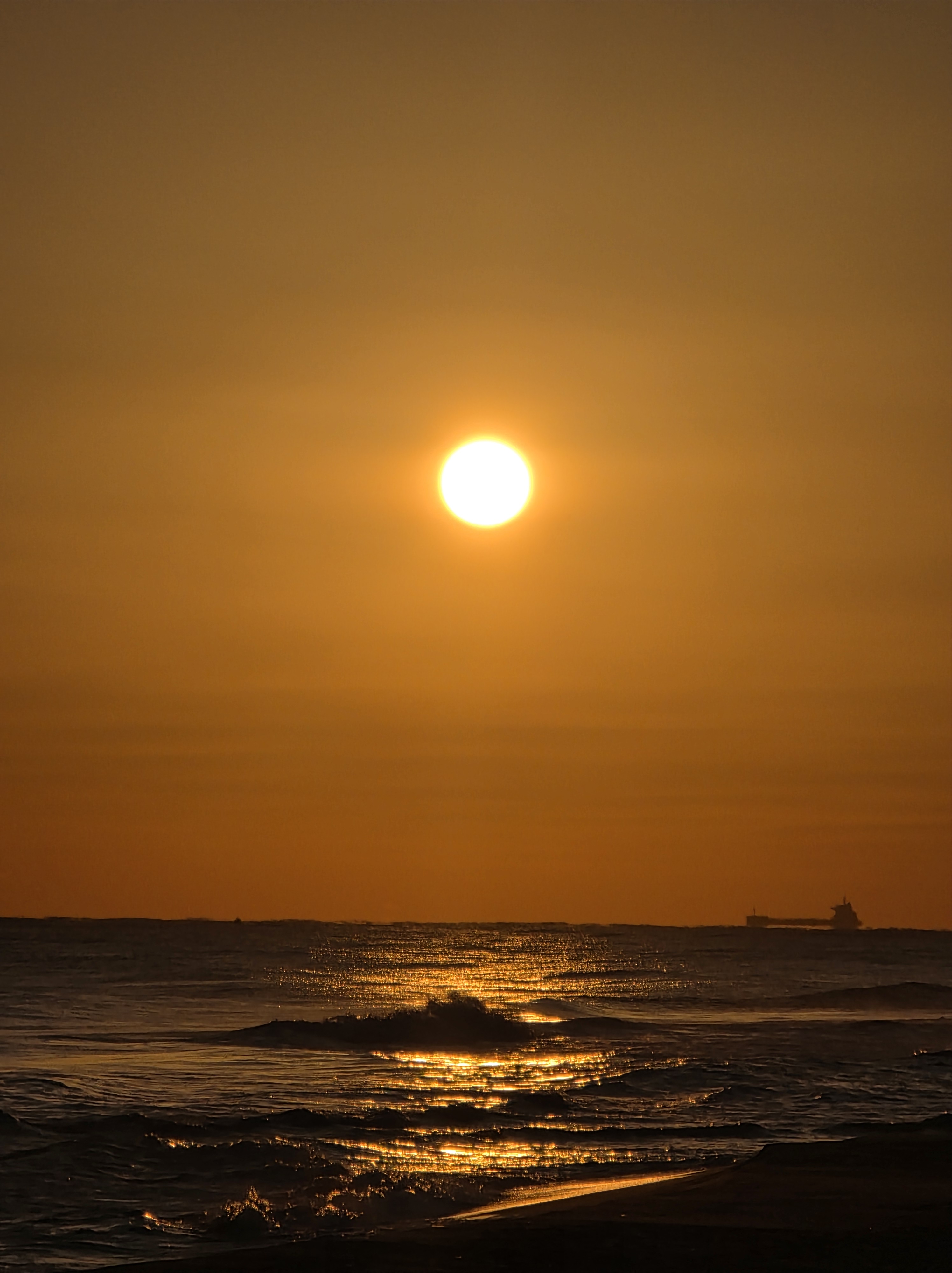
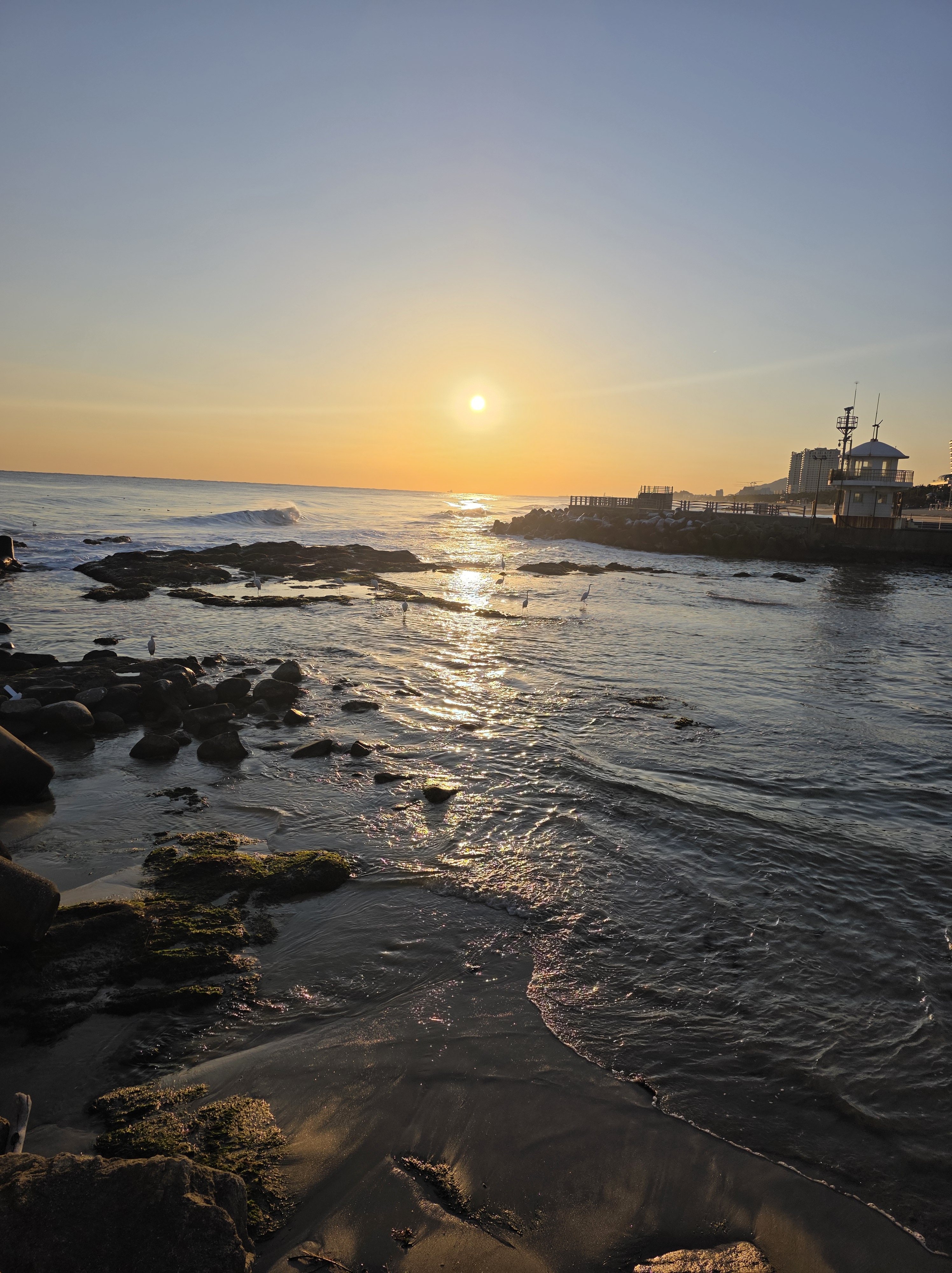
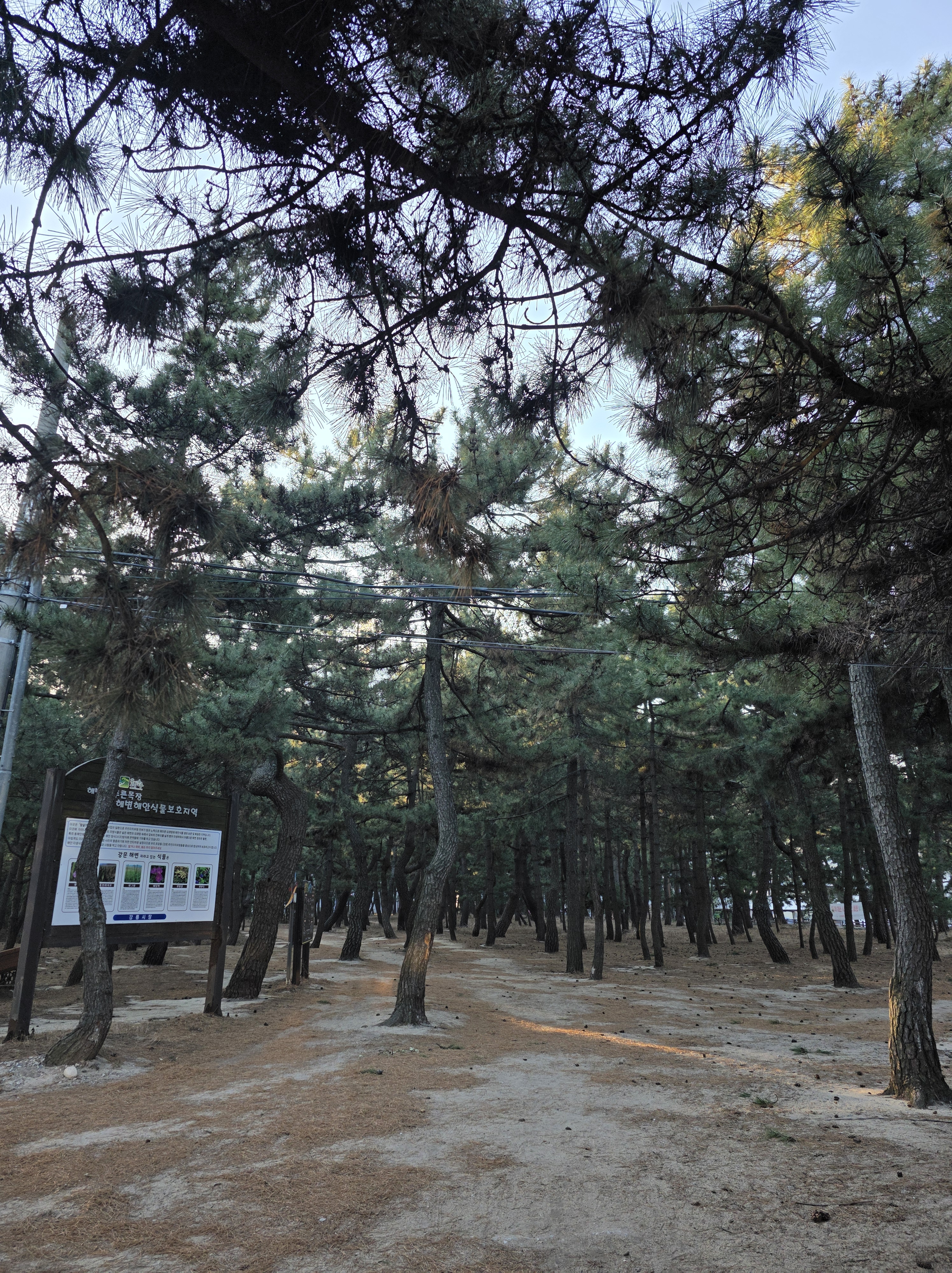
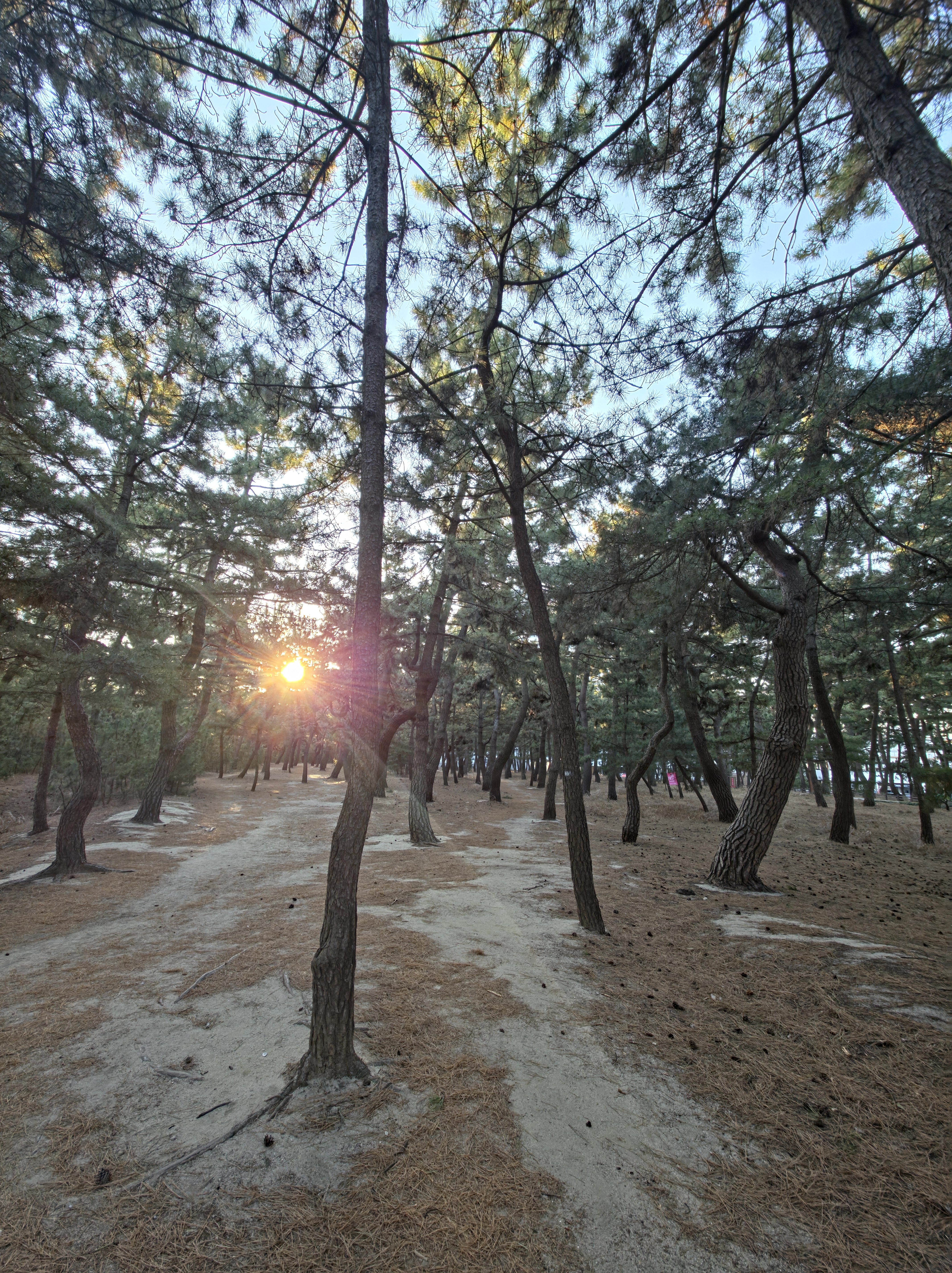
The beach is lined with a forest of pine trees; part of the Haeparang Trail Course 39. Walking through a pine forest by the beach surrounded by pigeons and squirrels was a first for me. I loved every moment of it. The only other humans on the trail were locals and their miniature dogs, perhaps on their daily walks.
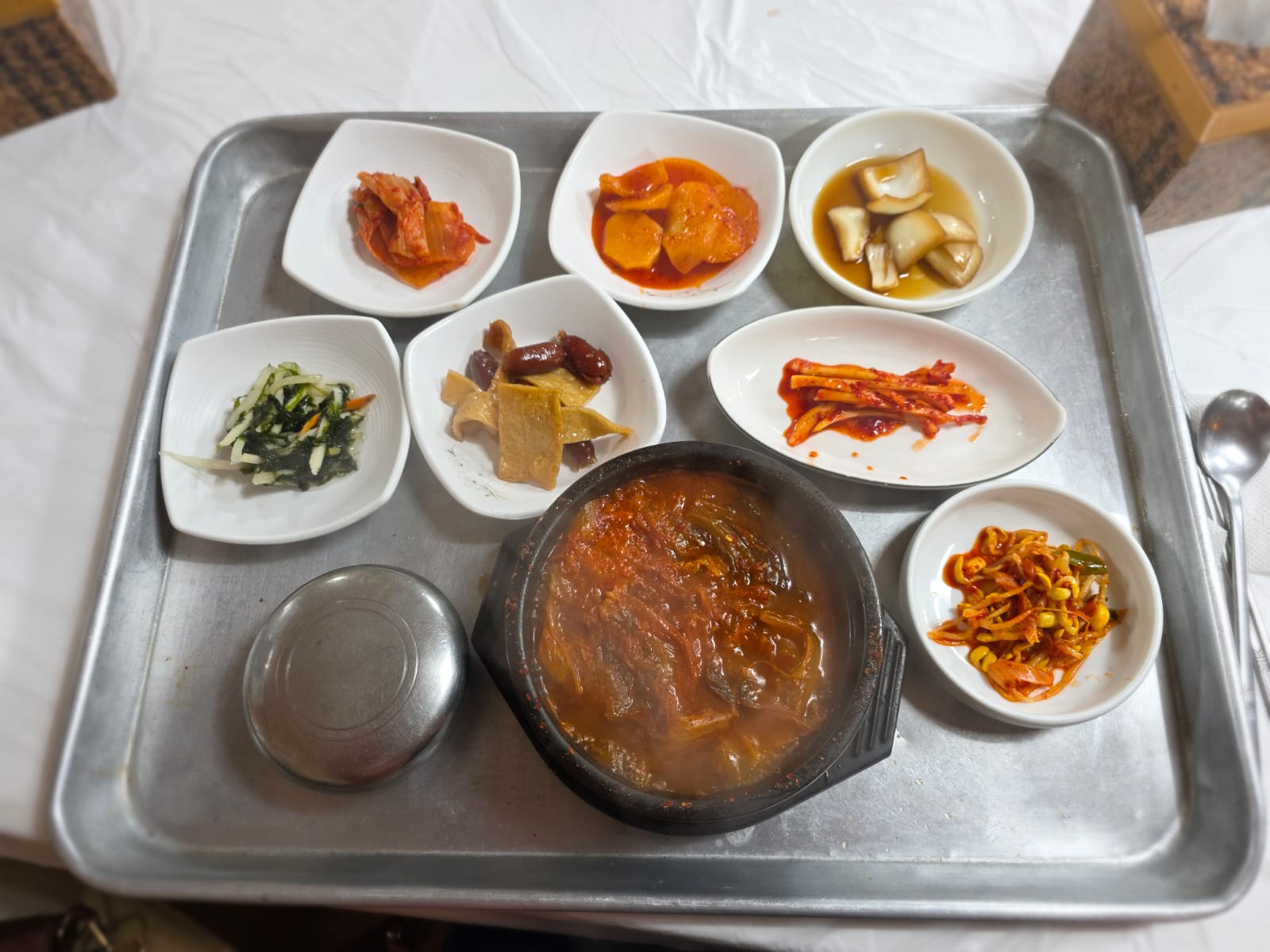
Gangneung as it turns out is famous for its Soft Tofu. Every Korean restaurant had a Soft Tofu dish on its menu. There is even a village, Chodang Dubu Village famous for its Soft Tofu, made with water from the East Sea. I had to try the Soft Tofu from Gangneung. Well, on the first night I had the best Kimchi Jjigae I’ve ever had for my dinner and on the second night I had Spicy Soft Tofu (얼큰 초당순두부). Be careful not to burn every part of your mouth as you eat a dinner served in a Dolsot. It’s another level of heat, and to my surprise the natives of the land are not fazed by it; it is for them like walking in the snow with only shorts, a sweater, slip-ons and no socks while sipping an Iced Americano.
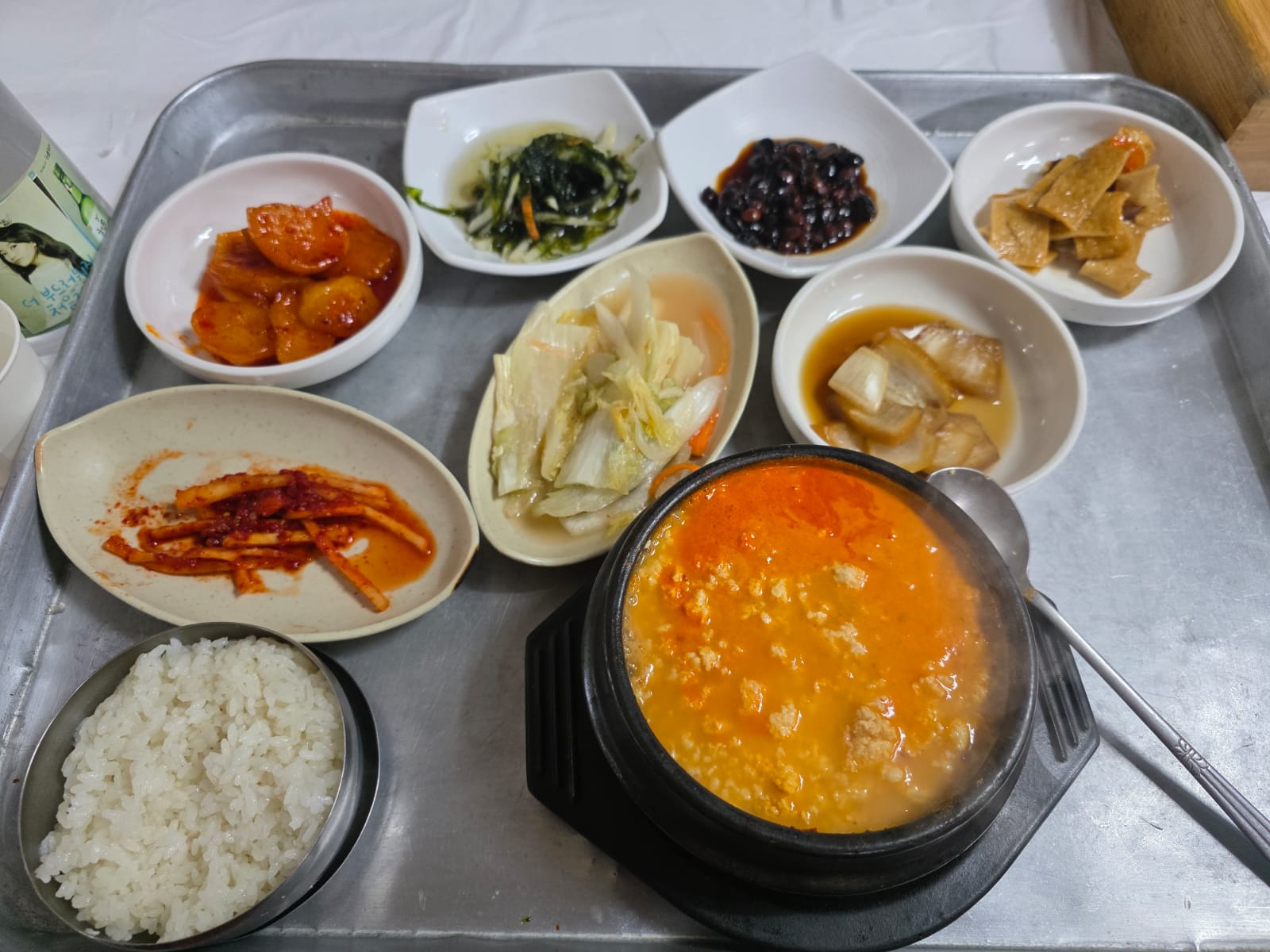
Both nights I ate at the same restaurant. The owners were warm and kind. They were really friendly and for the first time I was really out on my own having to communicate with locals purely in Korean. I did better than I expected, certainly the owners thought so. The food was great, and the people were better. But in my search for a restaurant, I noticed the lack of patrons in the local establishments in and around Gyeongpo Beach. The first night, while I had dinner I was the only customer at that fairly large restaurant. On the second night, there was one other customer. After all, it was off-season for beach tourism in Gangneung.
Gangneung in off-season, is a snapshot of our own lives. We all have off-seasons. Things that once made us attractive stop being attractive. The spotlight on our lives fade away sometimes. Our audiences dissipate. Times where our results don’t match our efforts. The business that is our lives becomes slow. All too often we self-destruct in the off-season unable to bear the negativity of the off-season.
In the weeks that followed, Gangneung’s off-season forced me to ponder on one question, ‘how do I view my off-seasons?’ Because we can actually thrive in our off-seasons instead of dissatisfaction, anxiety and unhappiness. The key lies in how we view the off-season. As I ponder on my past and my present, I know there are and have been off-seasons. This winter I thought about what those off-seasons mean to me and it boiled down to three aspects.
A time of waiting
Sometime we have to wait for the next season of our lives, wait for breakthroughs and even wait for our efforts to pan out. The waiting can be deadening, but only if we let it. I often find that waiting is a time to prepare or a time to sharpen our skills and even forge new for the new season awaiting.
A time to evaluate
The off-season is sometimes just simply a time we should evaluate the life we live now. I found that the dissatisfaction that came with my job as years progressed and when it felt like I was stuck in a rut or an off-season, it wasn’t that the job or my working environment was particularly worse than it was before. It wasn’t that I was no longer performing well. But the off-season was a time to evaluate my present and pave a new path.
A time of rest
Sometimes the reason for the off-season is very simple – a simple lack of rest. Machines need to be shut off to prevent overheating. Trees, even trees rest and protect themselves from the winter and prepare for the next season, the season to sprout and grow. Our human bodies are no different, but are more important than the machines and trees.
In the off-season Gangneung rested and regenerated. The sea and all its associates were free from human intervention. Gangneung beaches and the surrounding area made little unpleasant sound. Certainly, business was slow for local establishments, but it isn’t a new phenomenon and I presume with years of practice these establishments (maybe not all of them) are prepared for the off-season. And just like Gangneung, even us humans, the more we experience off-seasons, the more we view them in the correct light, we become better equipped to face those off-seasons without self-destructing.
 Thought Miller
Leave a comment