Have you ever taken a holiday and not wanted to return? You go to a distant city leaving behind routine, you become one with nature, you immerse in adventure and you wish life stayed that way. This is how I feel every time I travel.
When my semester break began just this past December I took a day trip from Gwangju (광주) my new home to Yeosu (여수) with my friends. In the first half my trip, my friends and I hung out by a beach and visited Jang-do (장도), a small island off the coast of Yeosu in the South Sea. This island is known as the ‘Island for Art and Healing’ (예술의섬 장도) and I had a good time with my friends walking about on the island among healing gardens (though winter wasn’t the ideal time to see foliage), seeing the sites and views from the island, and taking photographs, lots of photographs. I had become the unofficial photographer of the group that day, a task which I very much enjoyed.
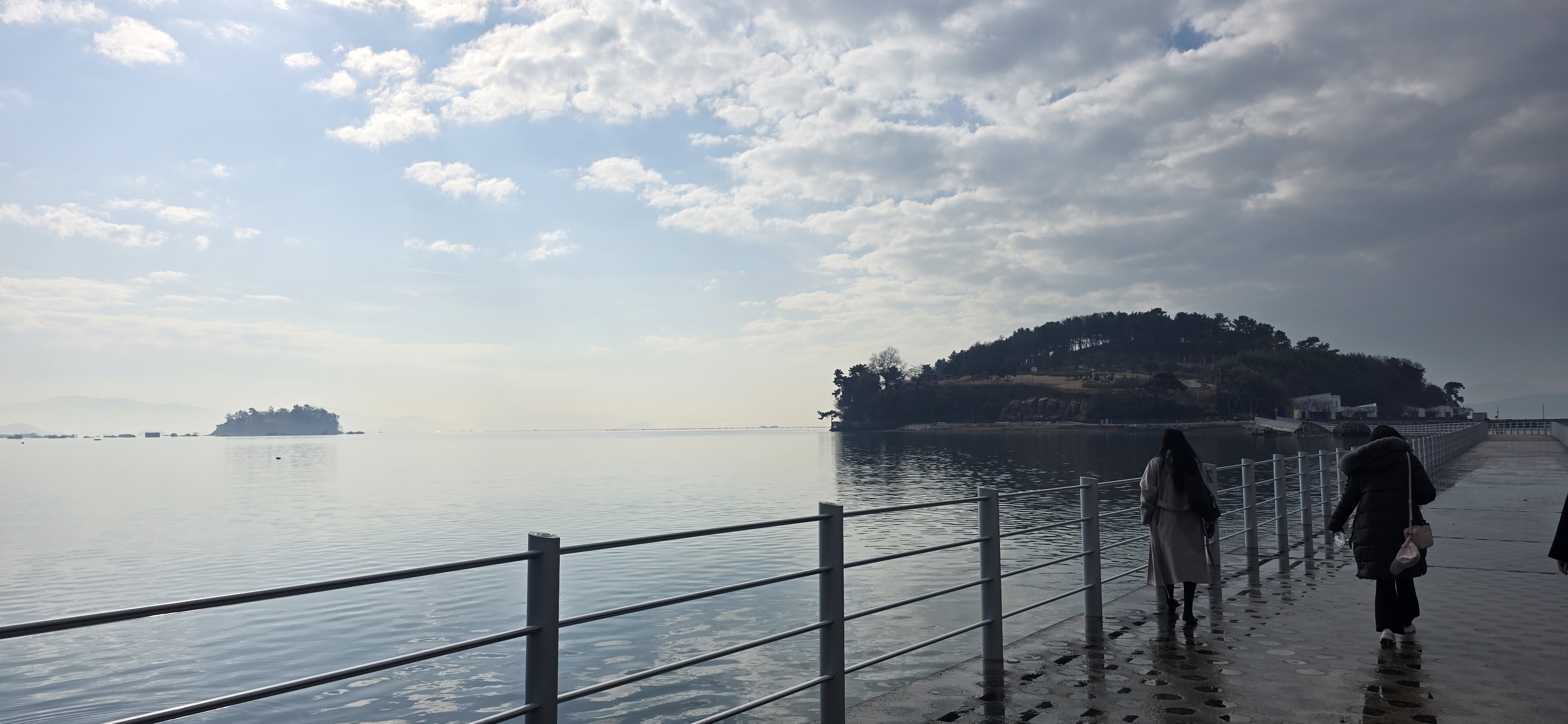
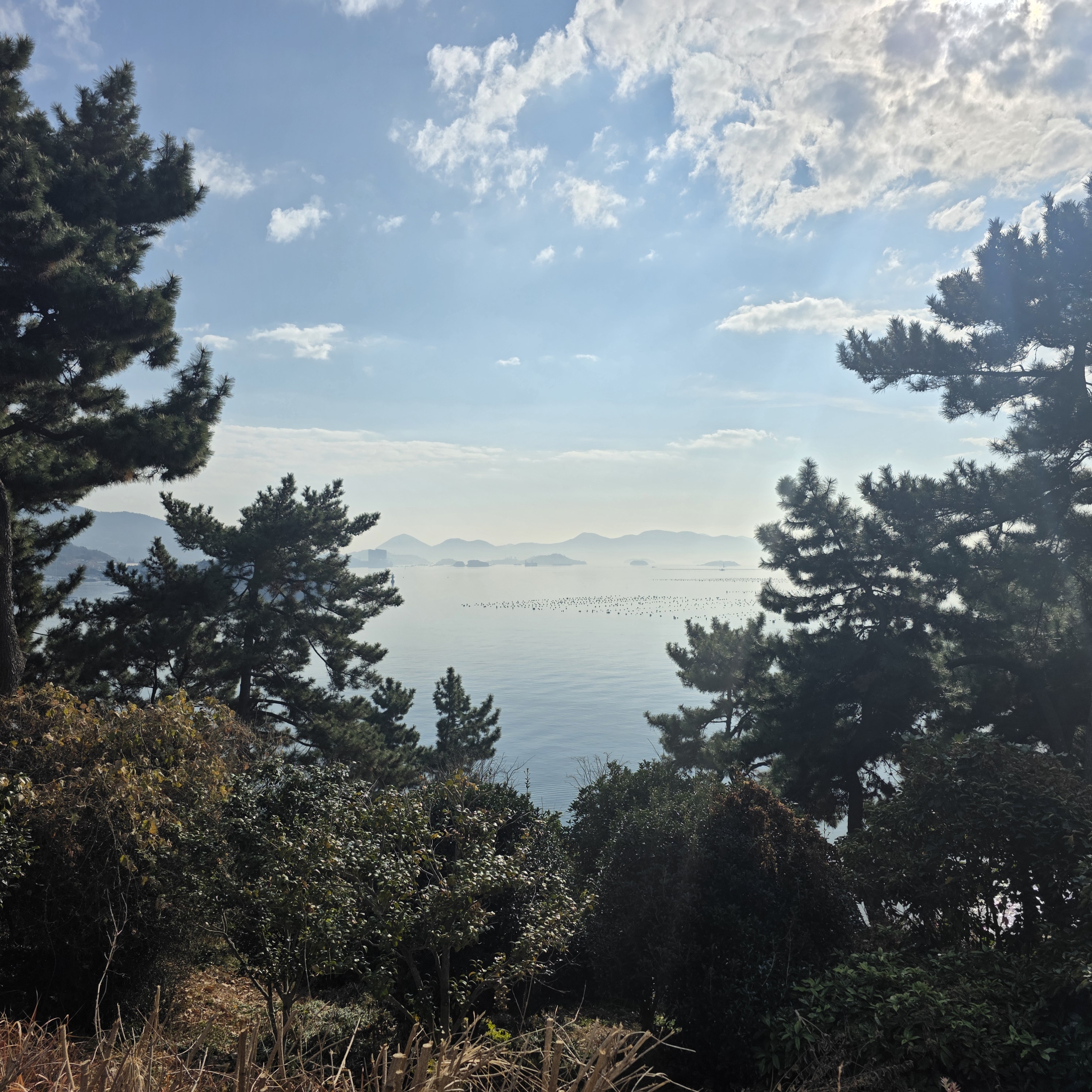
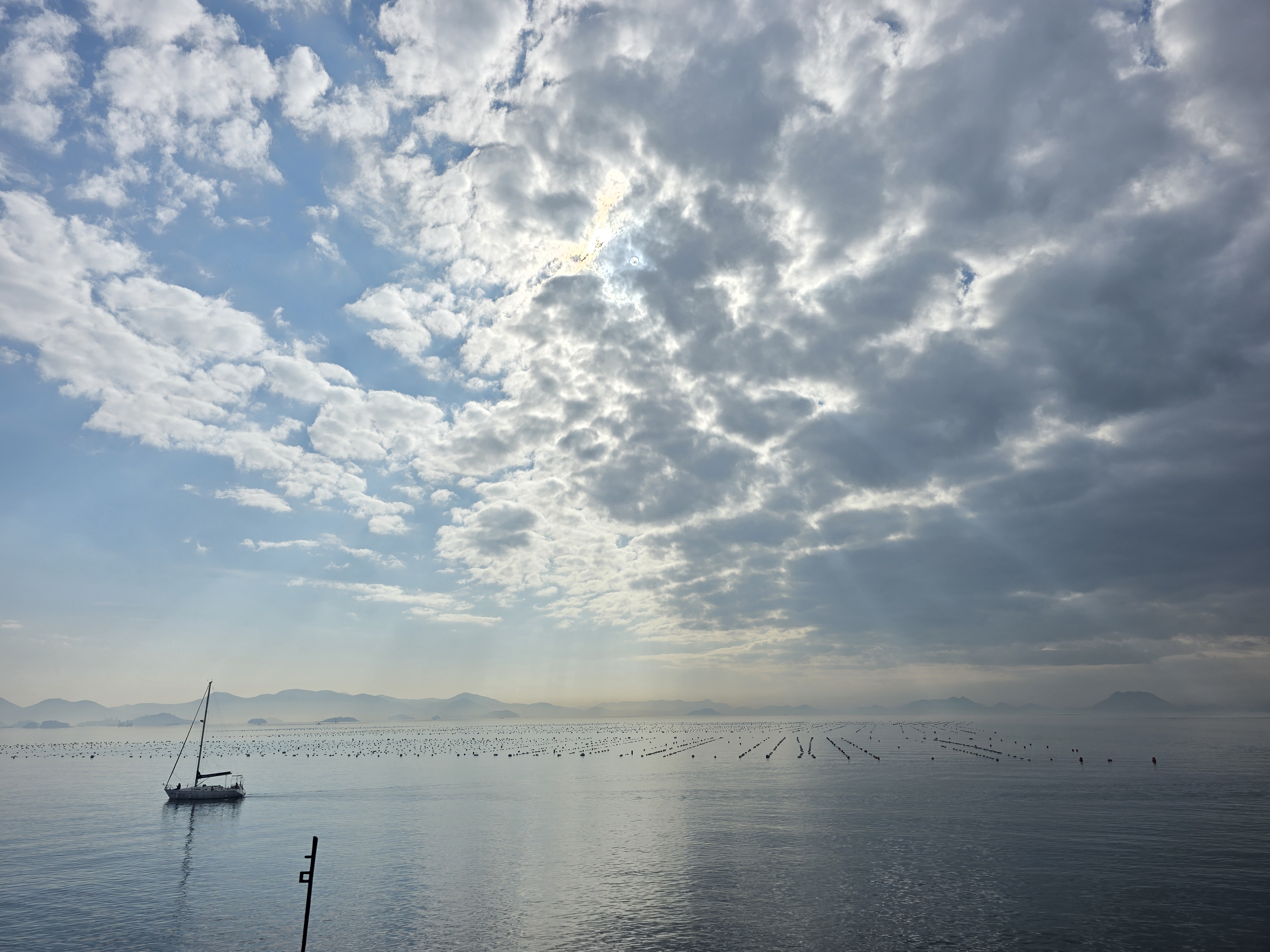
The second half of the trip was what now I call ‘여기저기 adventures’ (yeogijeogi – being here, there and everywhere). My friends departed to participate in an event and I was left with several hours by myself. Despite Yeosu being a touristy place with many popular attractions, I made no plans to fill my time. Instead when I separated from my friends at the Yeosu Expo (여수 엑스포), I walked where my feet took me.
I didn’t know what was in my vicinity, but very soon I stumbled upon a bridge built upon a breakwater leading to another one of Korea’s many islands: Odong-do (오동도). Odong-do offered the most breathtaking of views. My timing was perfect, in that I saw the sun on its way to setting. The sky and the ocean responded by changing colour in tandem with the sun’s movement, feeding my appetite for great views. Gift me a new car and I wouldn’t budge. Show me an enthralling view and my knees grow weak.
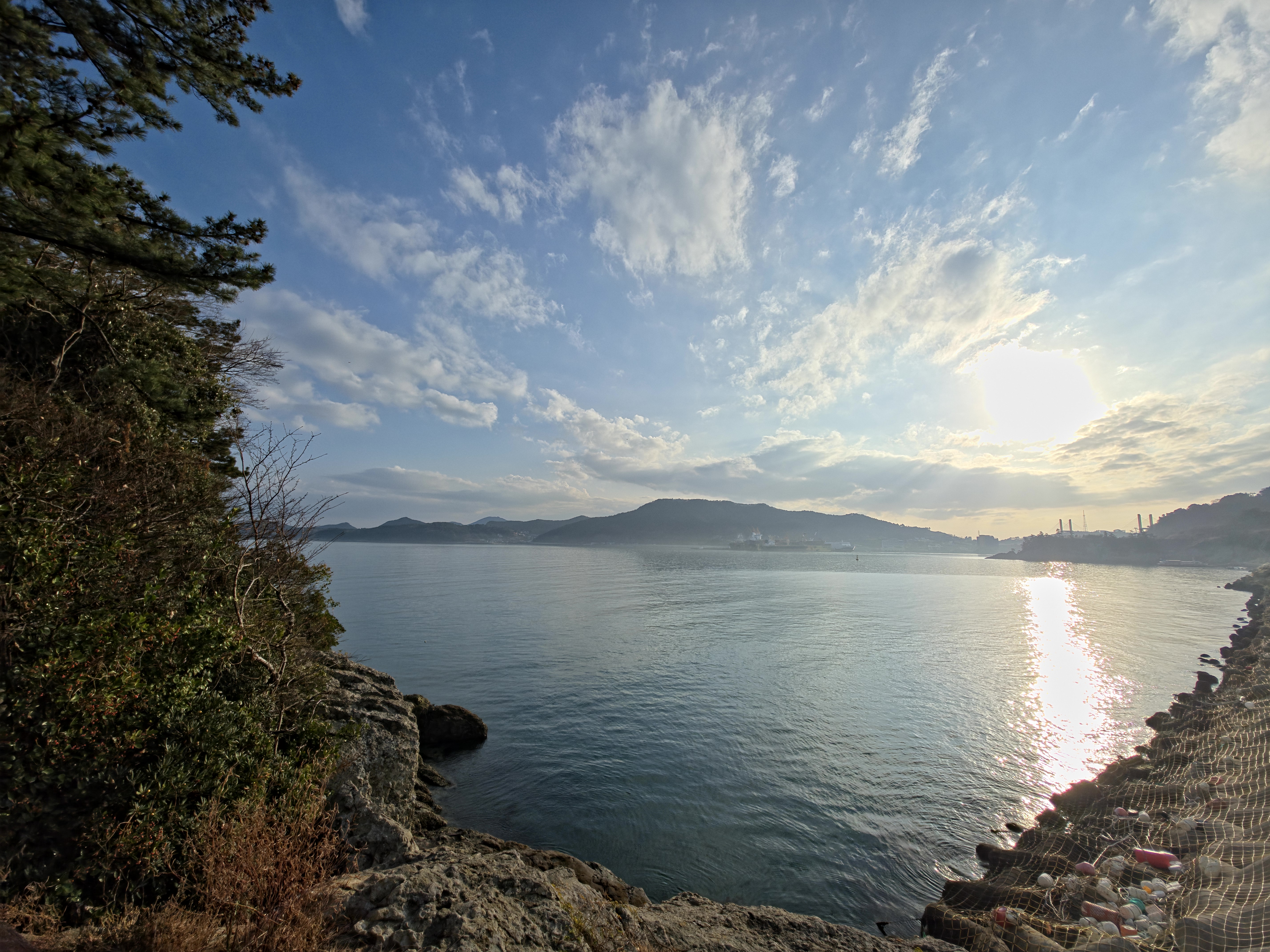
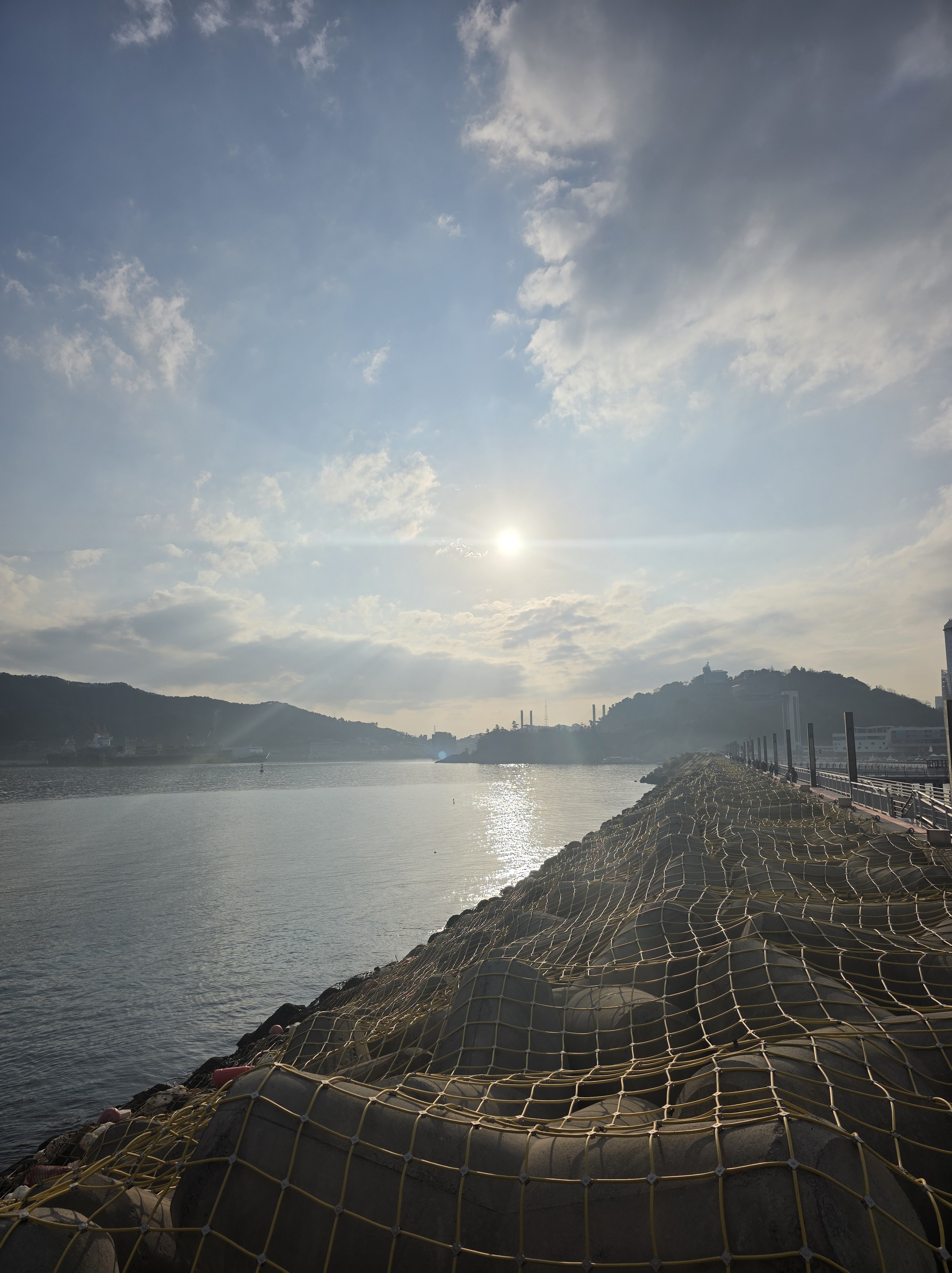
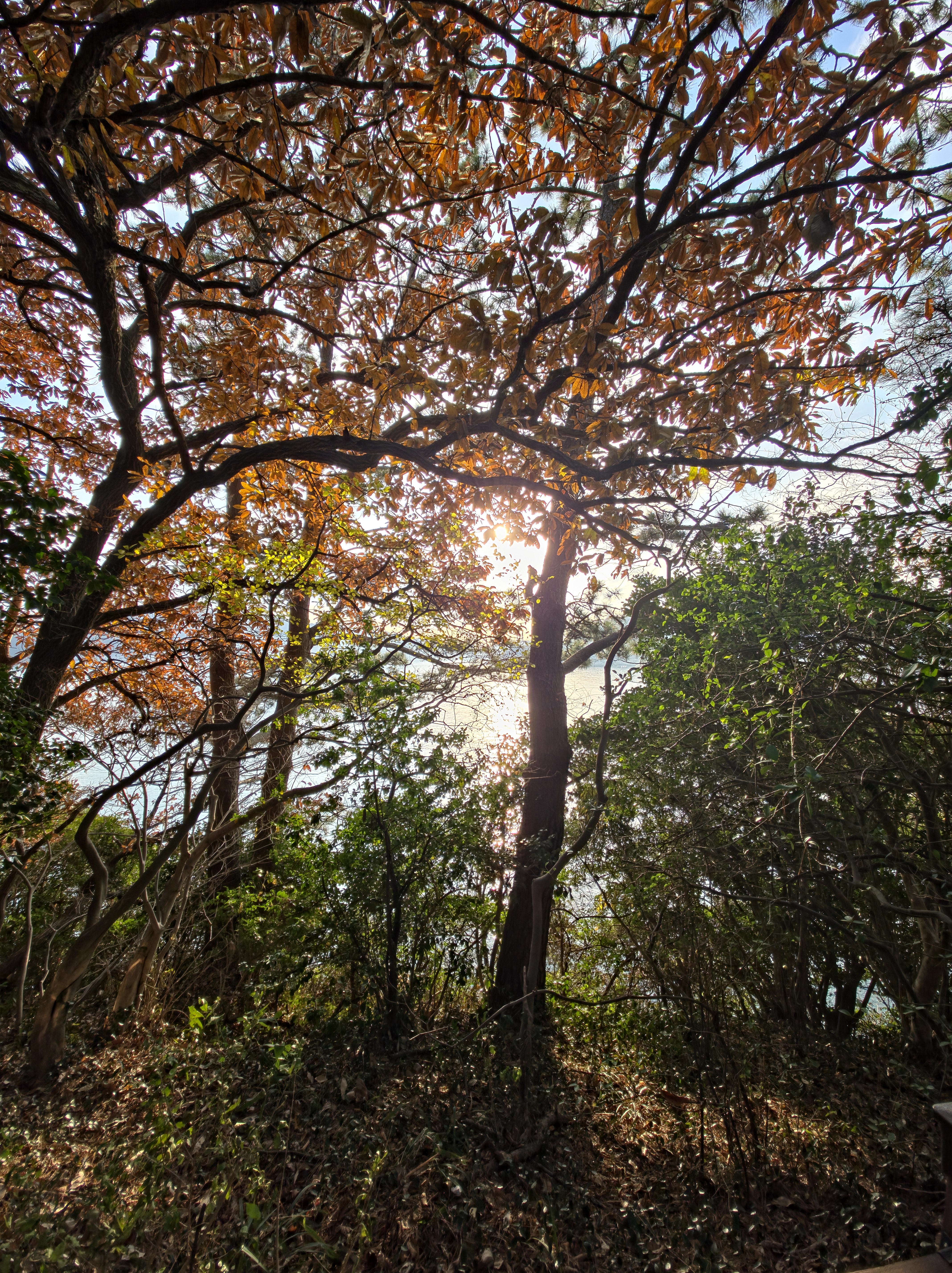
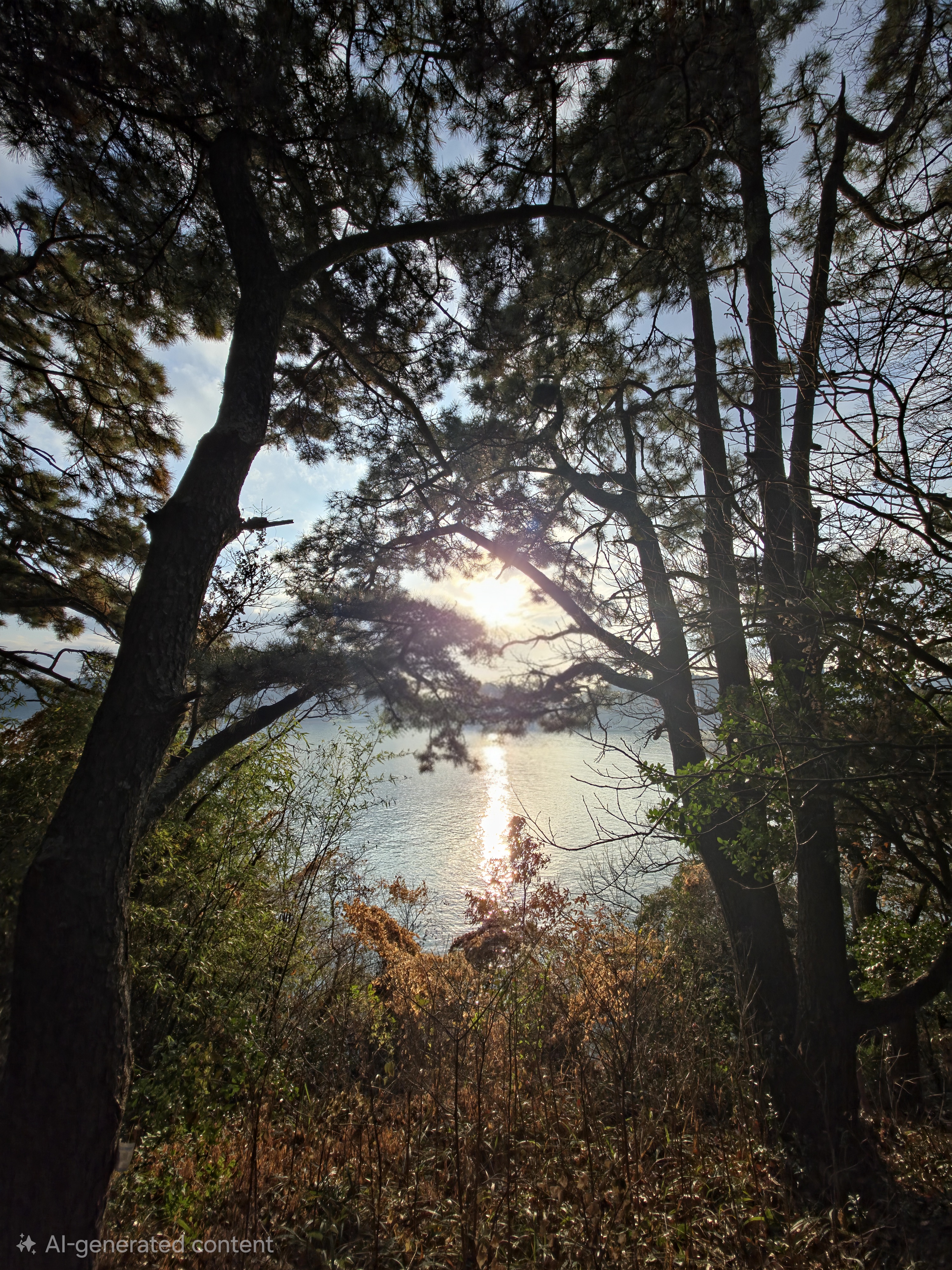
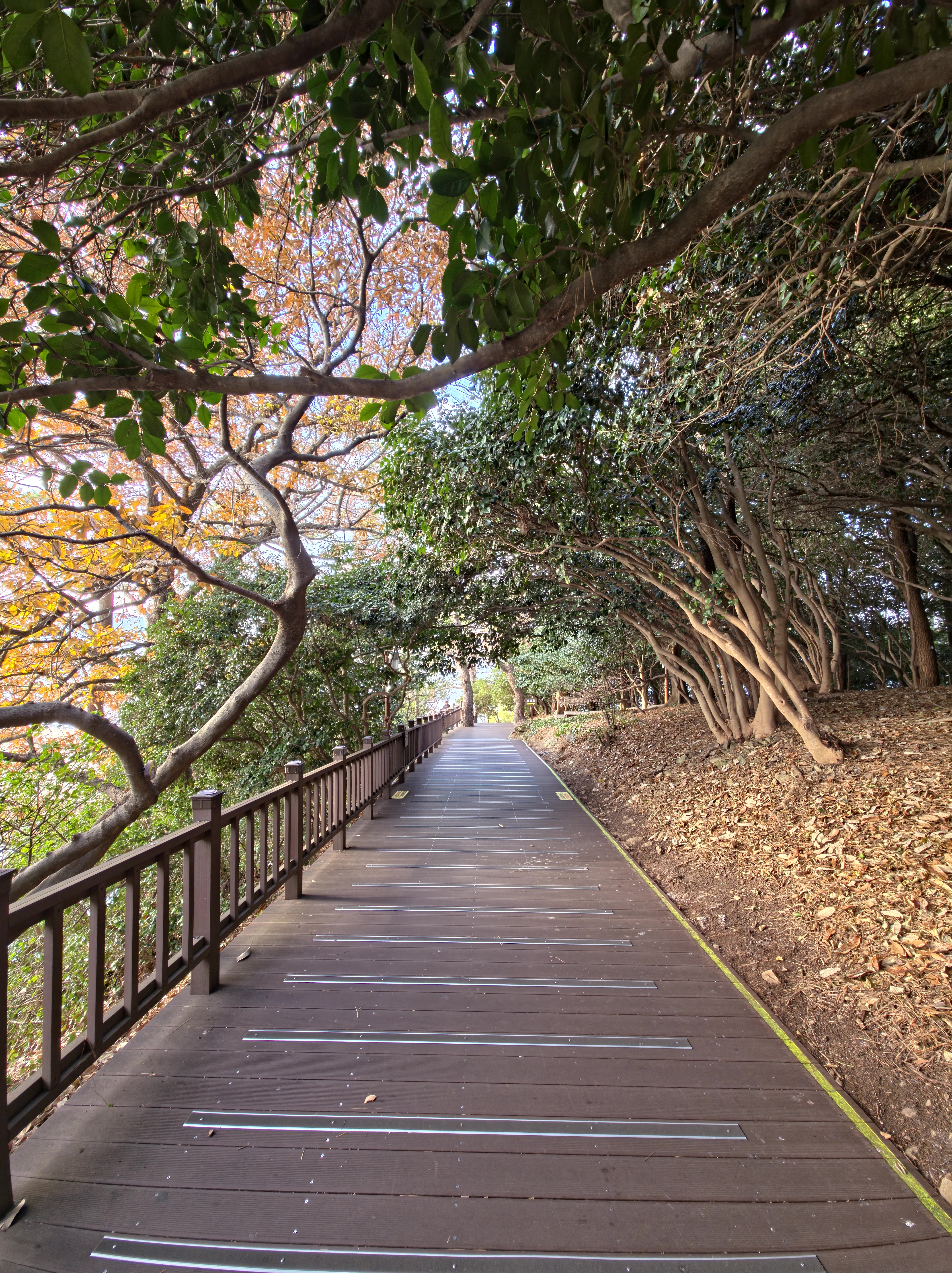
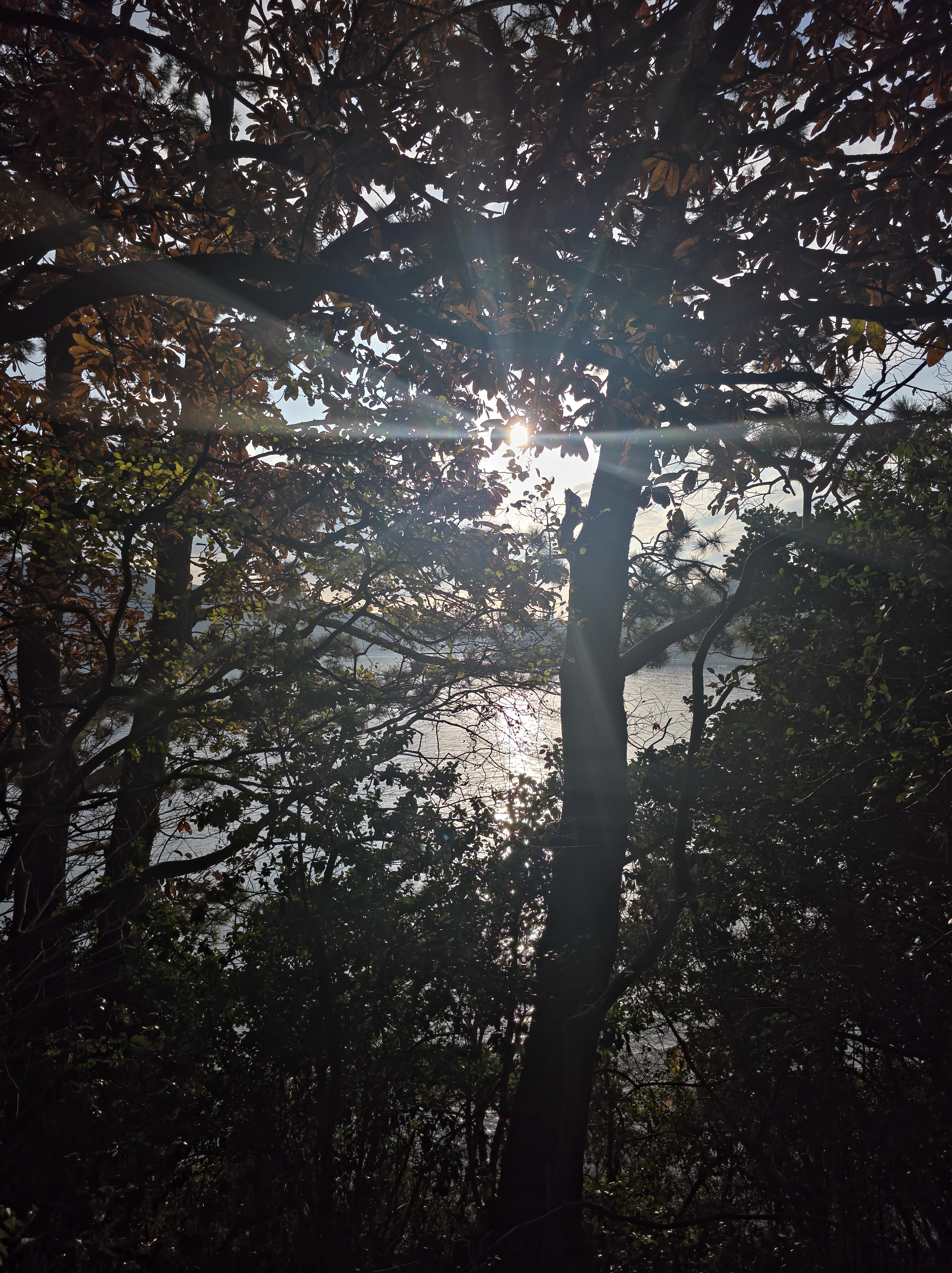
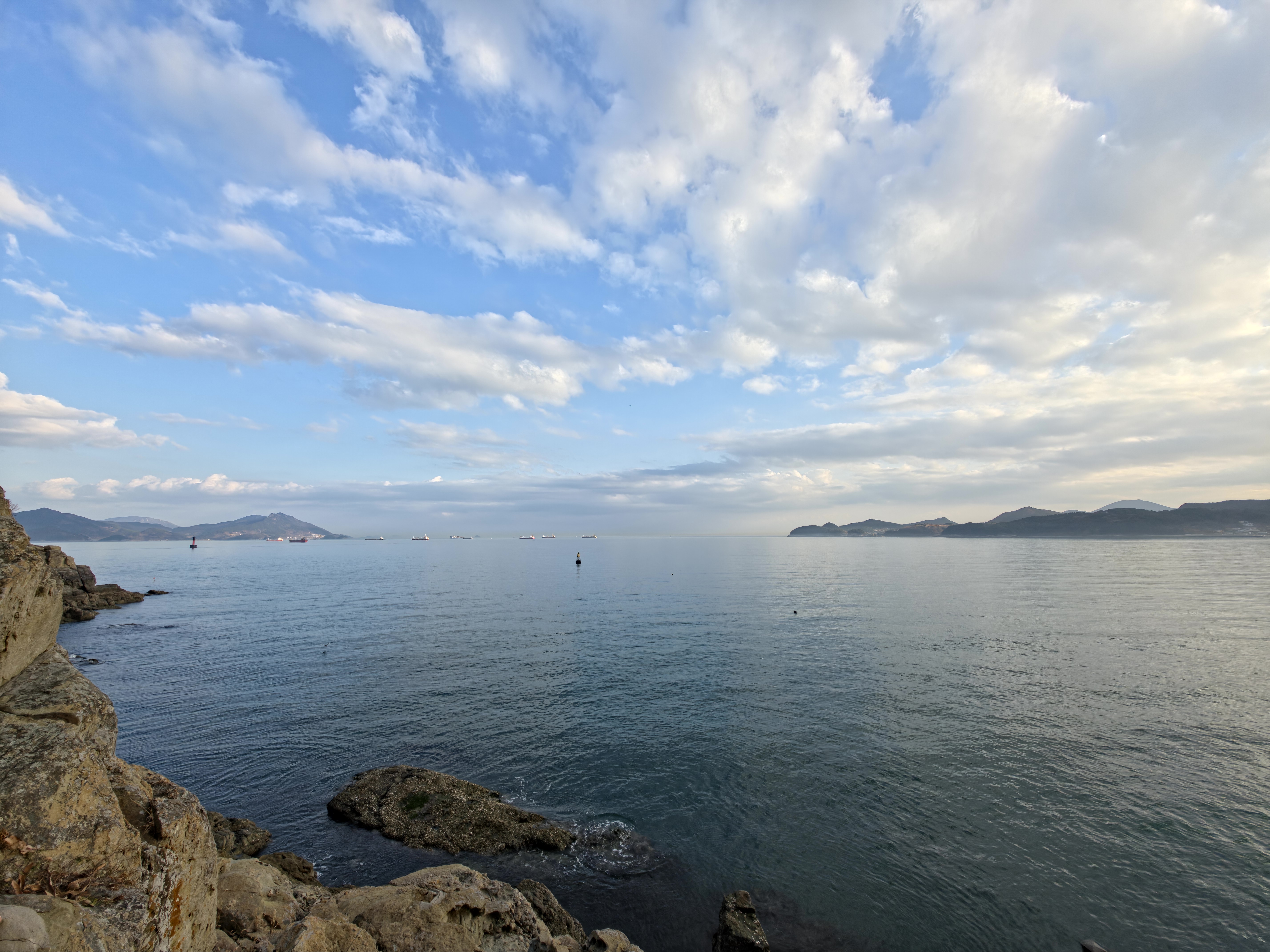
I walked the neatly curated pathways on the island and peered through creepers and trees for hidden angles to capture as many views as I could on camera. The more I walked, the more I didn’t want the pathways to end. Perhaps the views I encountered were one of the reasons I wanted to prolong the time on the island, to extend time away from bustling cities and routine life.
Looking back at the mainland from Odong-do, there were always two kinds of views. One view highlighted natural beauty and the other showed the concrete jungles lining up the coast. My eyes drifted away from the concrete jungles. As I look through my gallery, I find no photographs of those concrete jungles. My mind had spontaneously made a distinction, one view was beautiful while the other was ugly. Eventually I had to return to the mainland. Although I have fond memories of Odong-do and loved every moment on the island, there was an ounce of sadness for not being able to live in a tranquil place without the busy-ness of life.
Life is like the view of the mainland from Odong-do; a combination of the beautiful and the ugly. We are surrounded by the peaceful and the disturbing, the joyful and the painful, and the good times and the bad times. But going through those contrasting aspects of life is what made us who we are.
All too common are stories of people giving up because the pain was unbearable. For some, the longing to escape pain leads to addiction. Though fiction, the story of FBI agent Spencer Reid from the American crime drama Criminal Minds becoming addicted to drugs to escape the pain of his horrible ordeal – having been abducted and tortured, is not far from the reality of many people.
When I ponder on my own life, the beautiful and good memories are not easily recalled. But it doesn’t take a minute to recall painful memories. Painful memories fill my mind. The struggles my brothers and I faced in our childhood, the many bouts of critical illness our parents went through from the time we were very young, and the loss of our mother, are a few of the many painful memories coming to mind instantly. Pain is easier to remember. The scars left by pain might be a good reason we remember pain so effortlessly.
The view of the mainland from Odong-do showed the ugly. But the beautiful was also plain as day. This is because I was looking at the mainland from outside it. Imagine now if you were standing in the busiest street of your town: skyscrapers to your left and right, vehicles racing past you, fumes making you cough, pedestrians running to stay within routine, surface temperatures making your skin burn – it is not pleasing, is it? Now think of aerial photographs taken of that busy street, don’t they look beautiful? At the very least they are not too ugly. Over a decade ago I took a photograph of the Colombo (Sri Lanka) Harbour and the nearby streets. Those streets are exactly as I described earlier, if you were standing in them. But this photograph taken from about 30 floors above ground from the World Trade Centre on Echelon Square (from behind a glass) made me think ‘ah it’s not so bad from up here’.
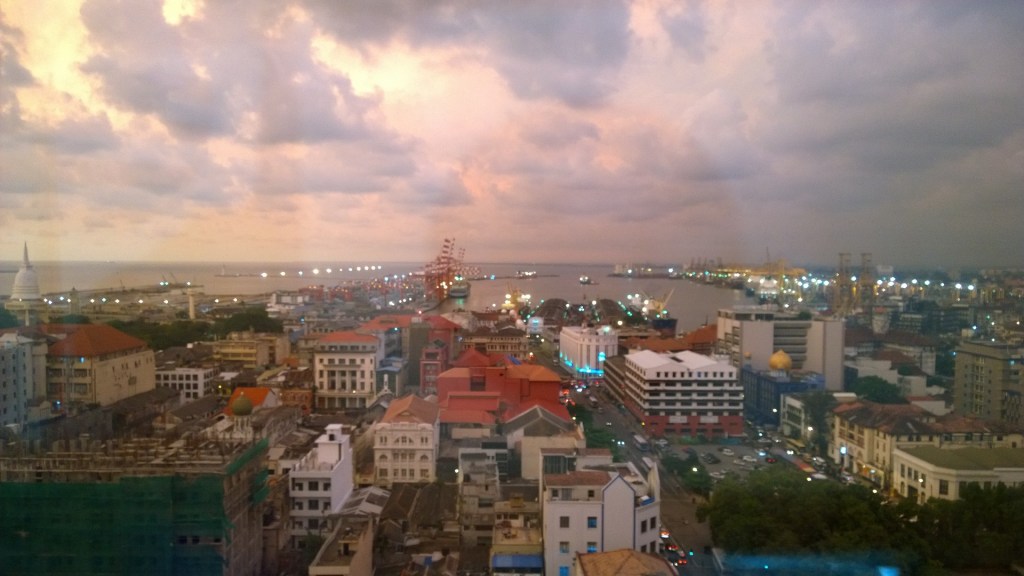
The ugliness was still there, but the beauty wasn’t hidden from that high place. It is an outside perspective, kind of like an objective assessment or the perspective of the man on the omnibus as we say in the legal field.
So I embarked on a little exercise: looking into my own life with an objective mind, as if a reasonable man were assessing it. It wasn’t easy, I had to dig deep to find good memories. Some good memories were very straightforward. Like the memories of us siblings playing with our parents in the well-manicured lawns of Club Palm Bay hotel when I was about 5 years old, the first time dad cooked a meal for us on his birthday – it was so good we took leftovers to school the next day, or the times my brothers and I climbed the boundary walls at home and pretended to shoot crows that flew above us every afternoon.
Some memories however, were not so straightforward because they happened in the middle of our painful memories. One evening, when I was sixteen, my eldest brother almost beat up a man on the road for harassing me. There was another time when my second brother and I shared a comforting hug under our porch the first time we saw each other since our mother’s passing. These memories were not associated with positive incidents. But as I look at those difficult times objectively, realization dawns: even in those painful times, some good things happened helping me through those difficulties.
Reflecting on those views from Odong-do, I find that it is both the beautiful and the ugly that made the view wholesome. In that moment, I never captured a photograph portraying this wholesome view with all the concrete jungles included. Maybe that is apt, because it will be a persistent reminder for me to consider an objective view of my own life: a reminder that life is rarely one-sided, there is both the ugly and the beautiful.
Now almost a month after visiting Odong-do, I am convinced that I should be on the mainland. I will sometimes go offshore where I will gain important perspectives on life. Yet, I will return to the mainland, I will certainly return.
오동도에서 본토를 볼 때, 아름다운 광경들이 많아요. 본토에는 좋지 않은 광경들도 있어요. 본토에 있는 많은 건물들이 보기에 좋지 않아요. 인생도 아름답기도 하고 나쁘기도 해요. 하지만, 아름답기도 나쁘기도 한 것들이 함께 건전한 인생을 만들어요.
A special thanks to my friend for helping me find the right words in Korean and refining the Korean summary you see here.
Disclosure: Generative AI was used in this post for proofreading assistance and for minor photo editing to remove a lens flare.

 Thought Miller
Leave a reply to youngd5c8e869c9 Cancel reply